

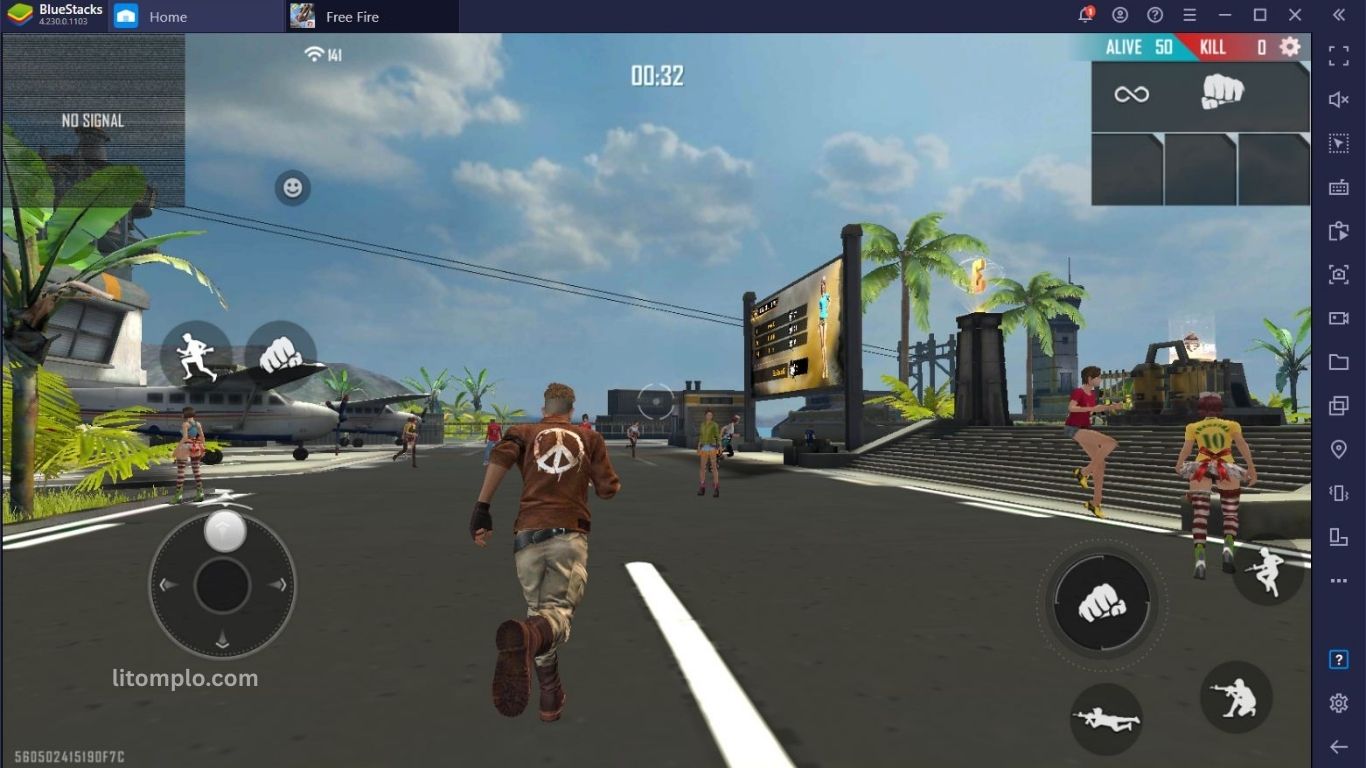
Gaming communities rely heavily on acronyms and shorthand to communicate quickly and efficiently during gameplay. FF is one of the most widely used gaming terms across online multiplayer platforms, streaming communities, and eSports scenes. From casual matches to competitive tournaments, players use FF to save time and convey intent without breaking focus.
Understanding the meaning of FF in gaming helps players respond faster, coordinate better with teammates, and avoid confusion during intense moments. Content creators and streamers also benefit from knowing this term, as it improves audience engagement and clarity. As online gaming continues to grow, learning common gaming acronyms like FF becomes essential for smoother communication, better teamwork, and a more immersive gaming experience across genres and platforms.
Read More: Platinum Rank in Free Fire: Pro Tips to Rank Up Faster
FF Meaning in Gaming Explained
FF commonly means “Forfeit” or “Friendly Fire” in gaming, depending on the situation.
FF as Forfeit
Competitive and multiplayer games use FF to signal surrender. Players type FF when winning feels impossible and continuing wastes time. Games like League of Legends, Dota 2, and Call of Duty widely use this term. Commands such as /ff or FF 20 usually request a surrender at a specific time. Using FF wisely reduces frustration and keeps matches efficient.
FF as Friendly Fire
Shooter and action games use FF to describe damage caused by teammates. Players may warn others by typing “Stop FF!” after accidental hits. Titles like PUBG, Battlefield, and Call of Duty commonly feature this usage.
Origins of FF
Online multiplayer growth popularized FF as a fast, universal gaming shorthand in the early 2000s.
How to Use FF Correctly
Using FF effectively requires good judgment and clear communication with your team.
When Surrendering
Confirm team agreement before typing FF to avoid conflict. Follow game rules, as many titles allow surrender only after a minimum match time. Proper use of FF helps end unwinnable games early and saves time for everyone.
When Dealing with Friendly Fire
Warn teammates immediately by using FF to stop repeated mistakes. Clear alerts reduce accidental damage and keep the team focused. Many games penalize excessive friendly fire, so timely FF warnings help protect your score, reputation, and overall team performance.
FF in Different Game Genres
FF can have different meanings depending on the type of game being played:
- MOBA Games: Commonly used as a surrender shorthand when a match feels unwinnable.
- FPS Games: Often refers to friendly fire and is used as a warning to teammates.
- Strategy Games: May indicate surrendering the match or giving up control of territory.
- Casual Mobile Games: Sometimes used humorously to concede quickly or restart a game.
Common Misconceptions About FF
New gamers often confuse FF with other popular gaming acronyms, making context especially important.
- FF ≠ GG: FF signals a request to surrender or end the match early, while GG is a respectful phrase used after a game concludes.
- FF ≠ AFK: FF does not mean leaving the game or going inactive. It refers to a strategic decision to forfeit, not stepping away from the keyboard.
Understanding these differences helps avoid miscommunication and keeps in-game interactions clear and respectful.
Tips for Communicating FF Without Conflicts
Using FF the right way helps maintain teamwork and avoid unnecessary arguments.
- Wait for team consensus before suggesting FF to respect everyone’s effort.
- Stay polite and clear in chat, and avoid repeatedly spamming FF.
- Support your request with reasoning, such as explaining why the match is unwinnable or resources are exhausted.
Clear, respectful communication makes FF easier to accept and keeps the gaming experience positive for all players.
Why FF Matters in Gaming Culture
FF has evolved beyond simple shorthand and become a key part of gaming etiquette. Using it responsibly helps reduce frustration during unwinnable matches and saves valuable time. It also promotes better team coordination, encouraging players to communicate and make collective decisions. Over time, FF has shaped how gamers interact online by highlighting the importance of strategy, respect, and mutual understanding. When used correctly, FF supports a healthier gaming environment and strengthens community norms across competitive and casual platforms alike.
Frequently Asked Questions
What does FF mean in gaming?
FF usually stands for Forfeit or Friendly Fire, depending on the game context.
When should I type FF?
Use FF when your team agrees to surrender or to warn teammates about accidental damage.
Is FF the same as GG or AFK?
No. FF signals surrender or friendly fire, GG is a polite end-of-game message, and AFK means being away from the keyboard.
Which games commonly use FF?
MOBAs, FPS games, strategy titles, and even casual mobile games often use FF.
Can I spam FF in chat?
No. Spamming FF can annoy teammates and reduce its effectiveness.
Does FF affect my game stats?
Surrendering via FF may count as a loss in competitive games, but warnings for friendly fire typically do not.
Why is FF important in gaming culture?
FF promotes teamwork, strategic decisions, and respectful communication in multiplayer games.
Conclusion
FF is a versatile and essential term in gaming, representing either Forfeit or Friendly Fire depending on the context. Understanding and using FF correctly enhances communication, teamwork, and overall gameplay experience. Whether signaling a strategic surrender or warning teammates about accidental damage, FF helps reduce frustration and keeps matches organized. By using it thoughtfully and respectfully, players contribute to a positive gaming culture where strategy, coordination, and mutual understanding thrive.
