

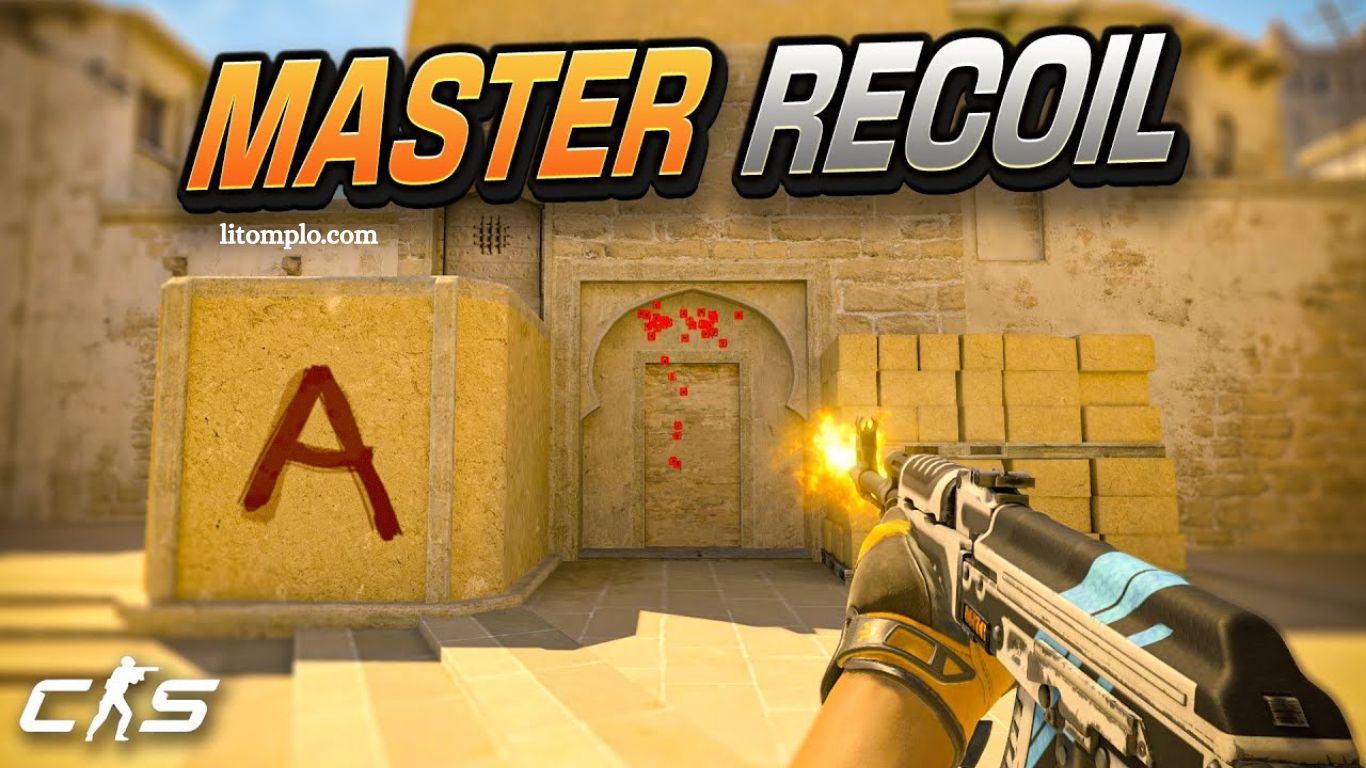
Recoil control stands as a decisive performance factor in modern battle royale games. Winning gunfights relies more on sustained accuracy under pressure than raw reaction speed. Players who master recoil mechanics gain clear advantages in mid-range fights, late-circle rotations, and squad wipe situations.
Advanced recoil-control tips in this professional guide focus on clarity, mechanical improvements, and competitive consistency. Techniques apply across leading titles such as Warzone, Apex Legends, PUBG, and other recoil-driven shooters.
Understanding Recoil Mechanics in Battle Royale
Recoil describes weapon movement during sustained fire and directly impacts accuracy in battle royale combat. Most weapon systems combine vertical climb, horizontal drift, visual shake, and bloom. Unlike arena shooters, recoil intensity often increases during long sprays due to weapon rarity scaling, attachment differences, and movement penalties.
Read More: How to Remove Google Account Access from Free Fire
Core recoil elements include:
- Vertical climb patterns
- Horizontal deviation randomness
- Initial kick strength
- Spray acceleration over time
- Visual recoil is separate from the bullet trajectory
Identifying these mechanics enables precise recoil control instead of reactive aiming, leading to more consistent gunfight performance.
Why Recoil Control Matters in Battle Royale
Battle royale combat rewards survival efficiency over pure elimination counts. Weak recoil control results in wasted ammo, failed armor trades, longer exposure times, and higher risk from third parties. Strong recoil management delivers clear advantages:
- Faster target elimination
- Fewer reloads during fights
- More consistent armor breaks
- Better ammo and resource efficiency
- Higher survival rates during rotations
Elite battle royale performance depends on sustained accuracy, not highlight-style flick shots.
Foundational Recoil Control Tips for Battle Royale
Learn weapon-specific recoil patterns
Learn weapon-specific recoil patterns to improve accuracy and fight consistency. Every weapon follows a predictable recoil behavior, and understanding it speeds up adaptation in real matches.
Professional practice approach:
- Test weapons without attachments
- Observe vertical climb during sustained fire
- Identify horizontal drift tendencies
- Track recoil acceleration timing
Pattern awareness enables proactive recoil control rather than delayed aim correction, giving a clear advantage in gunfights.
Prioritize Crosshair Discipline
Strong crosshair placement reduces recoil strain and improves engagement efficiency. Poor initial aim increases the difficulty of compensation and slows time-to-kill.
Best practices include:
- Pre-aim at chest level during rotations
- Hold head-level aim when anchoring angles
- Reduce vertical correction needs
- Maintain consistent fight readiness
Effective recoil control starts before pulling the trigger, not during the spray.
Advanced Input Techniques
Mouse and Keyboard Recoil Control
Effective mouse-based recoil control depends on smooth, synchronized counter-movements rather than aggressive corrections. Precision and stability define consistent performance during extended firefights.
Professional techniques include:
- Gradual downward pull aligned with recoil speed
- Arm-driven vertical compensation for stability
- Wrist-based micro-adjustments for tracking
- Lower DPI settings to enhance control
- Avoiding abrupt corrective snaps
Sustained accuracy favors consistency over speed in high-pressure engagements.
Controller Recoil Control Optimization
Controller recoil control relies on disciplined input and a practical aim-assist synergy. Precision improves when movements remain controlled rather than aggressive.
High-level controller techniques include:
- Limiting right-stick overcorrection
- Using controlled trigger feathering
- Prioritizing micro-adjustments
- Maintaining a consistent aim assists engagement
- Optimizing dead zones for finer control
Excessive input disrupts aim-assist tracking and reduces overall accuracy during sustained fights.
Burst Fire vs Full Auto Control
Spray discipline plays a critical role in maintaining consistent accuracy during battle royale fights. Choosing the appropriate firing method for the range improves damage output and recoil stability.
Situational recommendations:
- Long range: controlled burst fire
- Mid-rangee: short, timed sprays
- Close range: full-auto tracking
- High-recoil weapons: tap-fire priority
Burst firing helps reset recoil buildup while keeping pressure on opponents, leading to more reliable engagements.
Attachment Strategy for Recoil Control in Battle Royale
Attachments significantly influence recoil behavior, and choosing the right combination enhances accuracy, handling, and survivability.
Core recoil-reducing attachments include:
- Barrels for vertical recoil control
- Grips for horizontal stabilization
- Compensators or muzzle brakes
- Stability-focused stocks
Balanced attachment setups outperform maximum-recoil configurations, especially in close-range firefights.
Avoid Over-Building for Recoil
Excessive recoil reduction can come at the cost of:
- Slower ADS (aim down sights) speed
- Reduced movement speed
- Longer sprint-to-fire transitions
Success in battle royale depends on adaptable setups that perform well across all engagement ranges, rather than extreme recoil-focused builds.
Movement-Based Recoil Control
Player movement directly affects recoil behavior and accuracy. Integrating motion with shooting enhances control and survivability.
Professional movement techniques include:
- Controlled strafing while firing
- Using lateral motion to smooth recoil
- Strategic crouching for added stability
- Avoiding jump spraying
While movement aids recoil control, staying stationary too long increases vulnerability to third-party attacks.
Visual Recoil Management
Visual recoil often differs from the actual bullet trajectory. Pro players focus on reticle behavior rather than on-screen shake to maintain accuracy.
Key techniques include:
- Track hit markers instead of animations
- Keep consistent visual target lock
- Adjust field-of-view settings for clarity
- Minimize unnecessary camera movement
Separating visual distractions from actual bullet paths enhances shooting consistency and control.
Sensitivity and Settings Optimization
Sensitivity Balance
Effective recoil control relies on moderate sensitivity settings that balance precision and responsiveness.
Guidelines include:
- Lower sensitivity for finer micro-adjustments
- Avoid excessively low sensitivity that slows tracking
- Maintain consistent sensitivity across scopes for muscle memory
- Prioritize stability over fast flick shots
Optimized settings support smoother recoil management and more reliable aim under pressure.
Field of View and Visual Clarity
A higher field of view (FOV) can make recoil appear less pronounced, but also reduces target size.
Optimal FOV settings depend on:
- Preferred engagement distances
- Monitor size and resolution
- Platform performance and frame rate stability
Maintaining clear visuals enhances recoil predictability and overall aiming consistency.
Practice Routines for Recoil Mastery
Structured Training Sessions
Recoil mastery relies on structured practice, not just repetitive shooting.
Recommended routine:
- Warm up with weapons without attachments
- Practice controlled sprays
- Drill burst timing for various ranges
- Track moving targets
- Transition to live-fire scenarios
Deliberate, focused repetition accelerates skill adaptation and consistency in matches.
Consistency Over Volume
- Short, focused practice sessions are more effective than long, unfocused play.
- Daily recoil training leads to noticeable improvement within weeks, building lasting accuracy and control.
Tactical Recoil Control in Live Matches
Engagement Selection
Effective recoil control requires disciplined engagement choices.Innovative
Smart engagement strategies include:
- Avoid unnecessary long-range sprays
- Prioritize positions that offer cover and advantage
- Disengage when recoil is challenging to manage
- Reload safely behind cover
Maintaining survival as the primary focus ensures consistent performance throughout matches.
Armor and Resource Awareness
Poor recoil management leads to wasted shots and faster armor depletion. Efficient recoil control helps conserve ammunition and resources, improving survival during extended matches.
Common Recoil Control Mistakes
Professional analysis highlights frequent player errors:
- Over-pulling the aim inputs
- Panic spraying under pressure
- Ignoring weapon-specific recoil patterns
- Over-relying on attachments
- Neglecting movement integration
Recognizing these mistakes helps players correct habits and improve accuracy faster.
Competitive Mindset for Recoil Mastery
Elite recoil control relies on discipline, not just talent.
Key traits of successful players include:
- Calm, precise execution under pressure
- Muscle memory built through deliberate repetition
- Analytical weapon and loadout selection
- Ongoing settings optimization
Consistency and focus drive long-term improvement and reliable performance.
Frequently Asked Questions
What is recoil control in battle royale?
Recoil control is the skill of managing weapon displacement during sustained fire to maintain accuracy.
Why is recoil management critical for survival?
Effective recoil control reduces wasted ammo, improves armor trades, and increases survival chances in prolonged engagements.
How do I learn weapon-specific recoil patterns?
Practice each weapon without attachments, observe vertical and horizontal climb, and track recoil acceleration for preemptive compensation.
Should I use burst fire or full auto?
Use burst fire for long-range and high-recoil weapons, short sprays for mid-range, and full auto for close-quarters tracking.
Which attachments help reduce recoil effectively?
Attachments like vertical recoil barrels, horizontal stabilization grips, compensators, and stability-focused stocks help manage recoil efficiently.
How do sensitivity and FOV affect recoil control?
Moderate sensitivity improves micro-adjustments, while optimal FOV enhances visual clarity and recoil predictability.
What are common mistakes to avoid in recoil management?
Avoid over-pulling aim, panic spraying, ignoring weapon patterns, over-relying on attachments, and neglecting movement integration.
Conclusion
Mastering recoil control is essential for consistent performance and survival in battle royale games. By understanding weapon mechanics, optimizing attachments and settings, integrating movement, and practicing disciplined firing techniques, players can significantly improve accuracy and efficiency. Consistent, focused training combined with a strategic, adaptable mindset ensures long-term improvement, giving a measurable edge in every engagement.
