

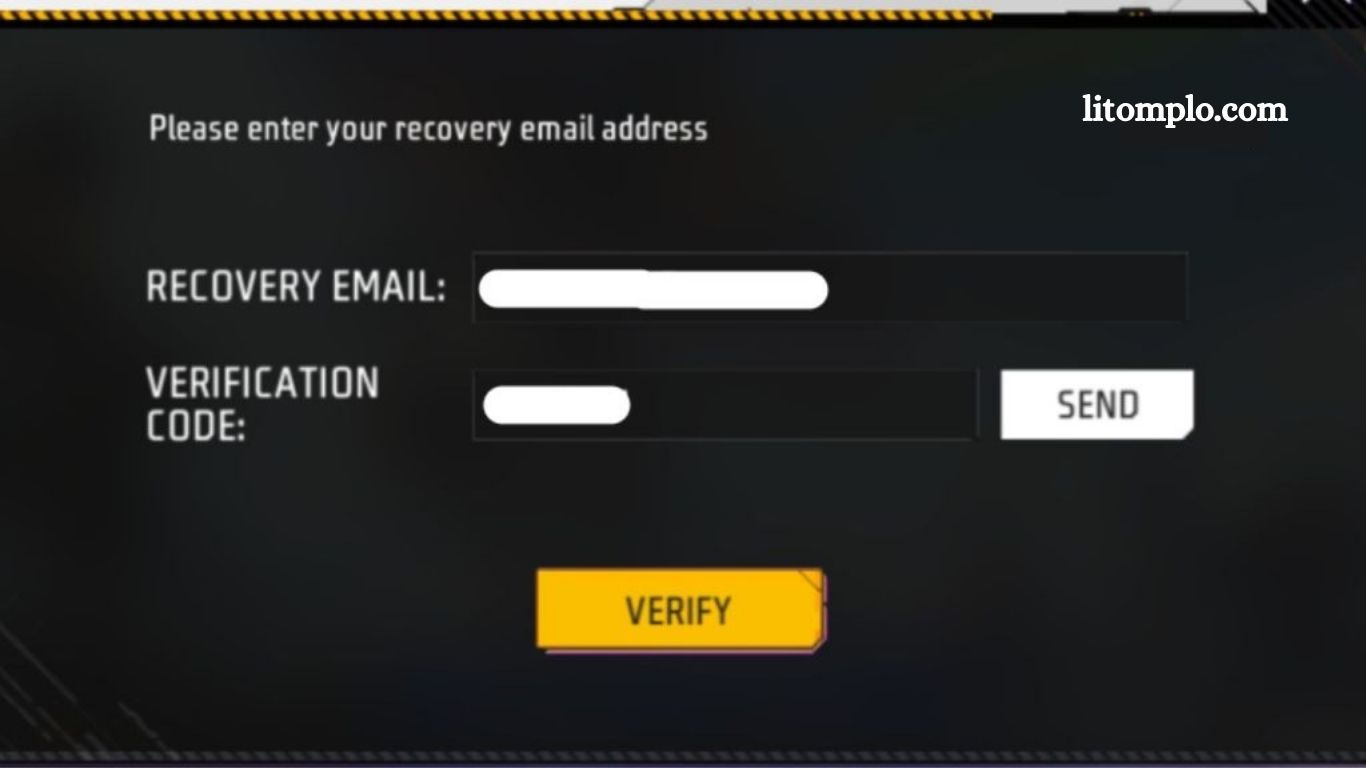
Free Fire Safety dominates the mobile gaming world as one of the most popular battle royale games globally. Millions of players enjoy its fast-paced, competitive gameplay, but app data security and account safety remain critical concerns. A major issue for gamers is the permanent loss of app data after deletion. This article explains why deleted app data cannot be recovered and provides practical Free Fire safety tips to safeguard game progress.
The game’s thrill can quickly vanish if progress is lost due to app deletion. Unlike some platforms with limited recovery options, Free Fire permanently deletes app data unless a backup exists. Players who understand the mechanisms of data deletion can better protect their hard-earned achievements.
Understanding App Data and Its Importance
App data includes all information an application stores on your device. In Free Fire, this covers:
- Player profiles
- Game progress and levels
- In-game purchases and rewards
- Customizations, skins, and achievements
This data is crucial. Losing it means forfeiting hours of gameplay, purchased items, and unique achievements that cannot be restored. Learning how app data functions is the first step in protecting your Free Fire progress.
Read More: Free Fire Max in India: 2025 Ban Updates You Need to Know
Types of App Data in Free Fire Safety
- Local Data
Stored on your device, including cached files and temporary game data. - Cloud Data
Linked to your Google, Facebook, or VK account and often recoverable if the account remains active. - In-Game Purchases
Items bought in-game may stay tied to your account, but they can be lost if the app is deleted without proper backup.
Why App Data Cannot Be Recovered After Deletion
Many players assume deleting Free Fire Safety won’t erase their data, but this is not true.
- Permanent Deletion: Removing the app deletes local data from your device permanently; it cannot be recovered like files in a recycle bin.
- No Backup: Without a cloud-linked account, recovery options are nearly impossible.
- System Restrictions: Mobile operating systems block third-party access to deleted app data to protect privacy and security.
These factors highlight the importance of taking proactive steps to safeguard your game progress
Common Misconceptions About Data Recovery
Many players rely on myths or third-party tools to recover lost Free Fire Safety data. Common misconceptions include:
- “Deleted apps can always be restored with recovery software.”
Most recovery tools cannot retrieve app-specific or encrypted game files. - “Reinstalling the game restores all previous progress automatically.”
Only cloud-linked data is restored; local progress without backup is permanently lost. - “Using a different device will automatically recover lost data.”
Data is device-specific unless synchronized with a cloud account.
Understanding these myths prevents wasted recovery attempts and protects your account security.
Free Fire Account Security: Risks and Precautions
Protecting your Free Fire account involves more than preventing accidental deletion. Key risks include:
- Account Hacking: Unauthorized access can compromise your progress and personal data.
- Unauthorized In-Game Purchases: Hackers may make purchases without your consent.
- Data Breaches: Sensitive account information can be exposed if security measures are weak.
Implementing proactive security measures helps safeguard your account and game progress.
Essential Precautions for Free Fire Account Security
- Link Your Account: Connect Free Fire to Google, Facebook, or VK to secure progress.
- Enable Two-Factor Authentication (2FA): Adds an extra layer of protection against unauthorized access.
- Use Strong Passwords: Choose complex passwords that are hard to guess.
- Avoid Third-Party Tools: Unauthorized apps can steal credentials and compromise your account.
Following these precautions helps protect your Free Fire account and preserve your game data.
Backup Strategies for Free Fire Game Data
Prevent data loss with these effective backup strategies:
- Cloud Backup: Link your account to Google Drive or other cloud services and enable automatic sync.
- Manual Backup: Export game data manually if the option is available, storing it securely on an external device or cloud storage.
- Regular Updates: Frequently update your backups to ensure all recent progress is preserved.
Consistent backups protect your Free Fire progress and prevent irreversible data
Safe Practices to Avoid Permanent Free Fire Data Loss
Protect your Free Fire progress by following these safe practices:
- Confirm Cloud Backup Before Deletion: Never uninstall the app without ensuring your data is backed up.
- Check Account Synchronization: Regularly verify that linked accounts are syncing properly.
- Secure Your Device: Use strong passwords or biometric locks to prevent unauthorized access.
- Protect Login Credentials: Never share your account details with others.
Adopting these habits helps prevent permanent data loss and keeps your Free Fire account secure.
Frequently Asked Questions
Can I recover Free Fire data after deleting the app?
No. Local app data is permanently deleted unless backed up to a cloud-linked account.
How can I prevent losing my game progress?
Link your account to Google, Facebook, or VK, enable automatic cloud backups, and update them regularly.
Are third-party recovery tools safe for Free Fire?
No. Most tools cannot retrieve encrypted game data and may compromise account security.
How do I secure my Free Fire account?
Use strong passwords, enable two-factor authentication (2FA), and avoid sharing login credentials.
Can I restore data on a new device?
Yes, but only if your account is linked to a cloud service. Local progress without backup cannot be transferred.
Conclusion
Protecting your Free Fire data and account requires proactive measures. Always link your account to a cloud service, enable two-factor authentication, use strong passwords, and maintain regular backups. Avoid third-party tools and stay vigilant against unauthorized access. By following these practices, you can safeguard your progress, preserve in-game purchases, and enjoy a secure gaming experience without the risk of permanent data loss.
